How Schools Assess Child Readiness During Nursery Admission
Feb 16, 2026
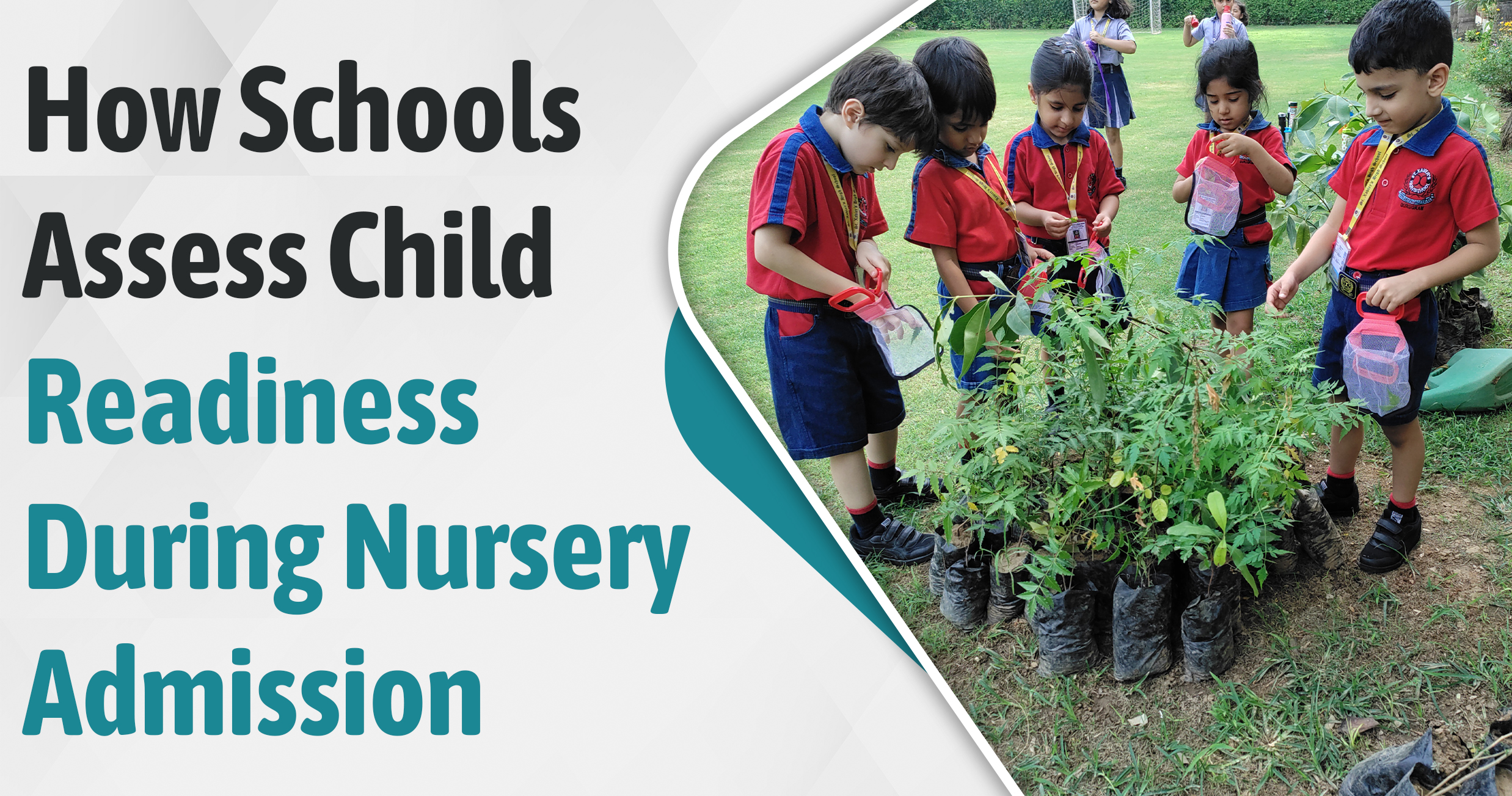
Nursery admission season in Gurgaon can feel busy and stressful for parents.
Nursery admission season in Gurgaon can feel busy and stressful for parents. Many families want to understand how schools decide if a child is ready. The good news is that schools keep the process simple and child-friendly. Instead of exams or pressure, teachers of the best schools in Gurgaon observe children during normal activities like play, talking, and drawing. This article explains how schools check readiness, based on what commonly happens during admission sessions. It breaks the process into clear steps, using everyday examples parents can easily relate to.
How Play-Based Activities Help Access a Child During School Admission?
In reputed CBSE schools in Gurgaon, children are taken into a room with toys. Teachers watch how they play, without giving instructions. Play time reveals focus span, sharing, and comfort in a new space.
For example, one child built a tower and invited another child to join. This showed cooperation. Child psychology studies say play gives a strong sign of how ready a child is for group learning.
What pre nursery schools in Gurgaon observe during recreational time:
- Sorting shapes by colour shows pattern skills
- Taking turns rolling a ball shows sharing
- Stacking cups shows hand-eye coordination
These simple moments help teachers make quick notes.
How Do Interaction Tasks Show Social Skills?
After play, teachers talk to the child. They may ask the child to name colours, greet a doll, or point to pictures. This helps check language and confidence.
One child described an apple as “juicy,” showing good vocabulary. Studies link these clear talks to better adjustment in school later.
Common interaction tasks:
- Answering simple questions
- Waving or smiling at staff
- Talking about a favourite toy
Many schools in Sector 81 Gurgaon use these steps to balance classroom groups.
Why Are Fine Motor Skills Important for Toddlers?
Children are given crayons, paper, or play dough. Teachers watch how they hold tools and control their hands.
A child who holds scissors correctly or draws a clear circle shows readiness for writing later. Paediatric guides highlight these skills as important before age five.
Common fine motor activities include:
- Threading big beads
- Pasting stickers neatly
- Drawing a face with eyes and mouth
How Are Thinking Skills Checked?
In small groups, children may be asked to count objects, match items, or sort toys by size or type. These activities reveal early thinking skills without the use of worksheets.
For example, grouping animals by size shows logical reasoning. Research indicates a strong link between such skills and later academic readiness.
Assessment Areas at a Glance
| Area |
Activity Used |
What It Shows |
Easy Home Practice |
| Play-Based |
Free toy play |
Sharing, creativity |
Set up toy corners |
| Social |
Greeting and talk |
Language skills |
Daily role-play |
| Fine Motor |
Drawing, threading |
Hand control |
Safe crafts |
| Cognitive |
Counting, matching |
Logic, numbers |
Matching games |
| Emotional |
Waiting turn |
Self-control |
Short waiting practice |
This overview helps parents compare options among CBSE schools in Gurgaon.
How Do Emotional Responses Matter?
Emotional responses are carefully noted. Assessors observe how children manage waiting, sharing, or brief separation from parents.
A child who waits calmly or recovers quickly from frustration demonstrates emotional maturity. Emotional readiness is linked to fewer classroom disruptions and smoother transitions.
Signs of emotional readiness include:
- Listening quietly to a short story
- Shifting attention when a toy is taken
- Naming basic feelings when asked
Daily Habits That Support Readiness
Consistent routines at home prepare children well for assessments. Simple, repeated activities build familiarity and confidence.
Helpful daily practices:
- Reading picture books together
- Singing counting or action songs
- Involving children in simple household tasks
Parents who follow these routines often notice their children appear calmer and more confident on assessment day. Long-term studies confirm that routine exposure improves readiness outcomes.
Final Perspective
At St. Xavier’s High School, Sector 81, Gurgaon, the nursery admission process is not about finding a perfect child but about understanding each child’s curiosity, emotional comfort, and ability to engage in a group setting. When families are aware of how the school thoughtfully assesses readiness, the experience becomes less stressful and more meaningful—supporting both the child’s confidence and the parents’ peace of mind.